



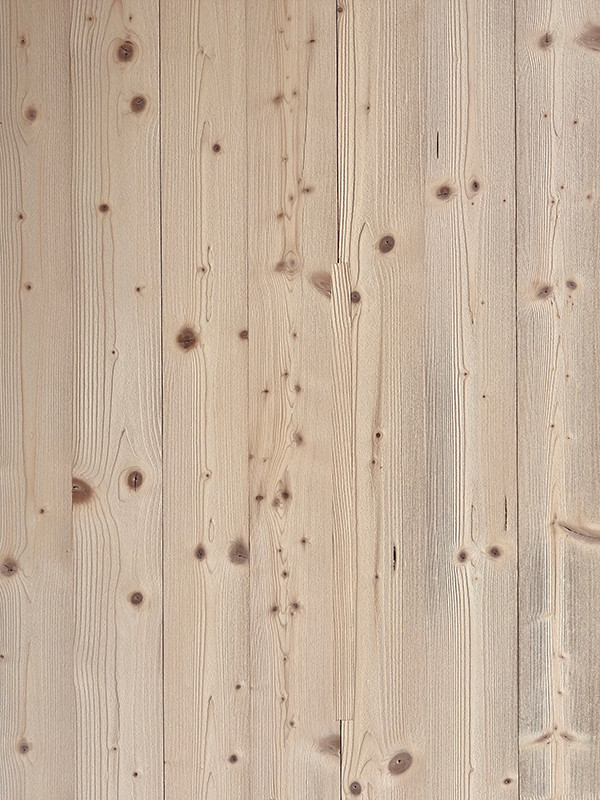
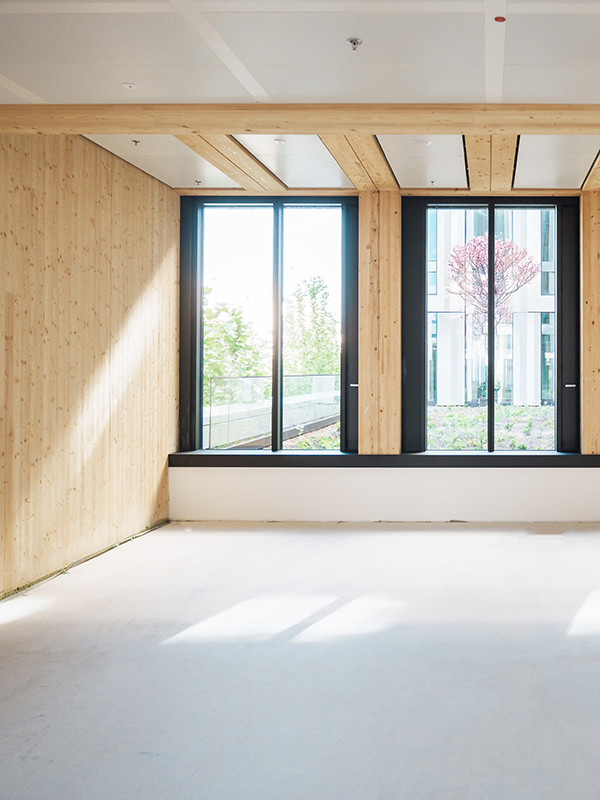
CLT – L No. 5048
Additional details
Good to know
Always perform a test before starting your work.Properties
- Protects CLT without altering its appearance
- Enhances the brightness of wood surfaces
- Suitable for projects focused on indoor air quality
- Fast application = time saved on the job site
Technical specifications
| Coverage | 160 to 215 sq ft per coat |
|---|---|
| Coats | 1 |
| Drying time | 2h at 68°F |
| Dilution | No thinning required |
| Packaging | Metal |
| Substrate | Porous Wood |
| Tool cleaning | Water-Based |
| Shelf life | 1 to 2 years |
Any questions?
Related products
-
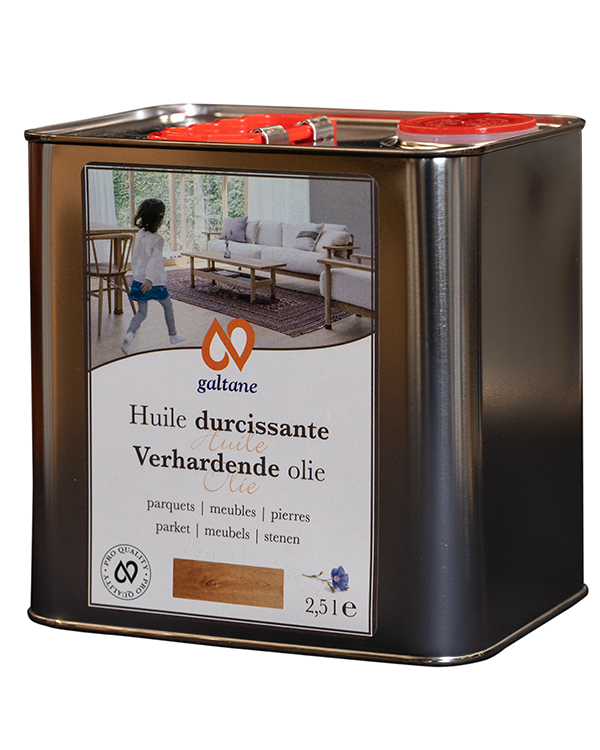
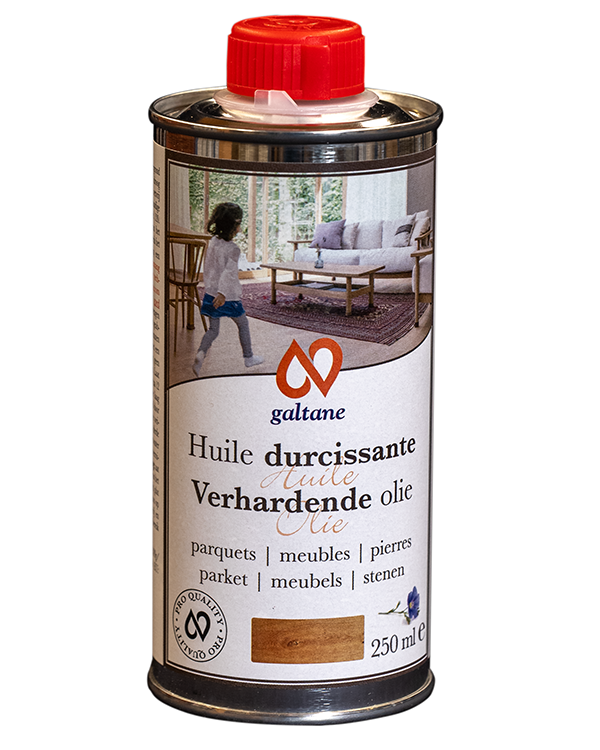 15,00 € – 278,00 €Price range: 15,00 € through 278,00 €Select options This product has multiple variants. The options may be chosen on the product page
-
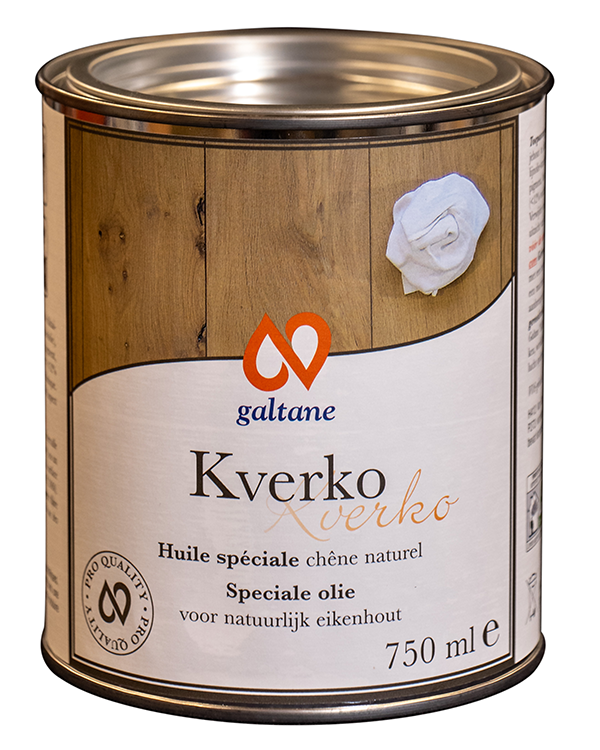
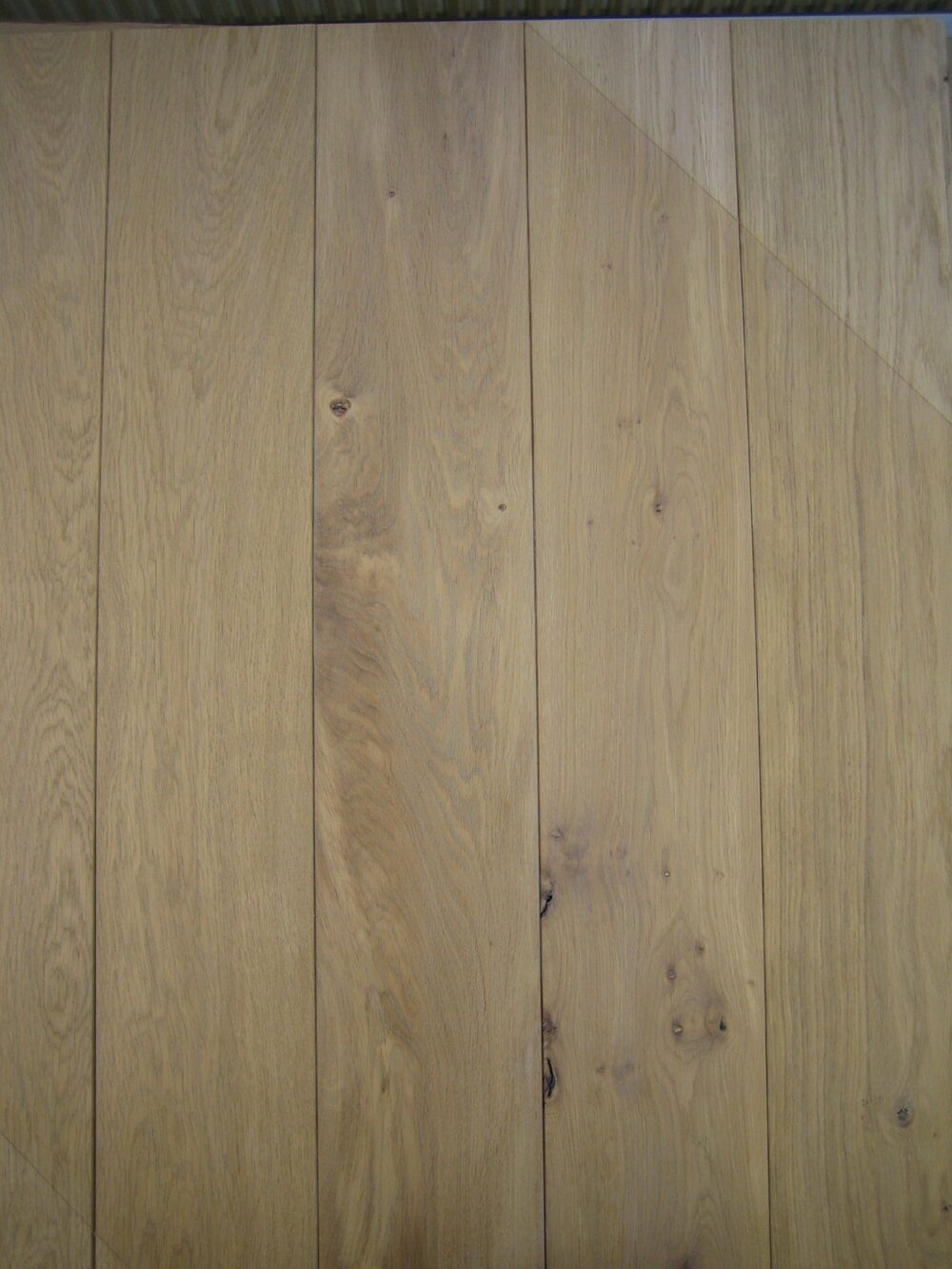 17,00 € – 101,89 €Price range: 17,00 € through 101,89 €Select options This product has multiple variants. The options may be chosen on the product page
-

 11,80 € – 246,90 €Price range: 11,80 € through 246,90 €Select options This product has multiple variants. The options may be chosen on the product page
-
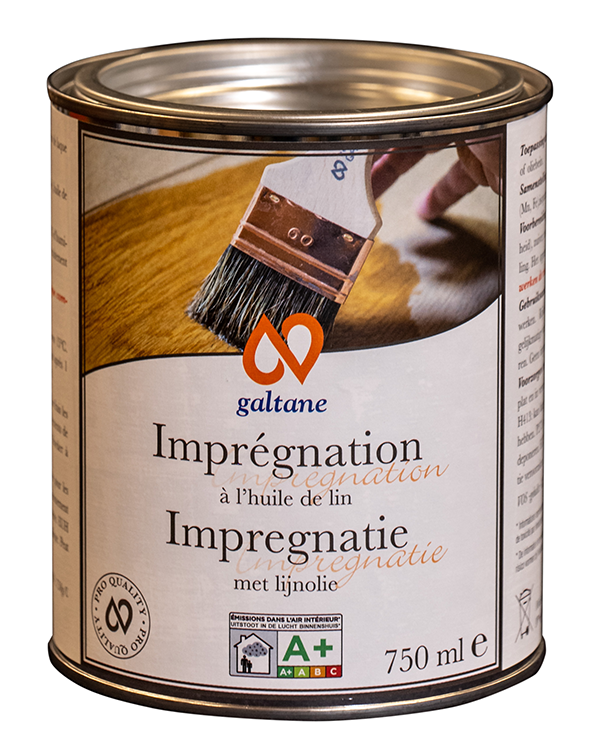
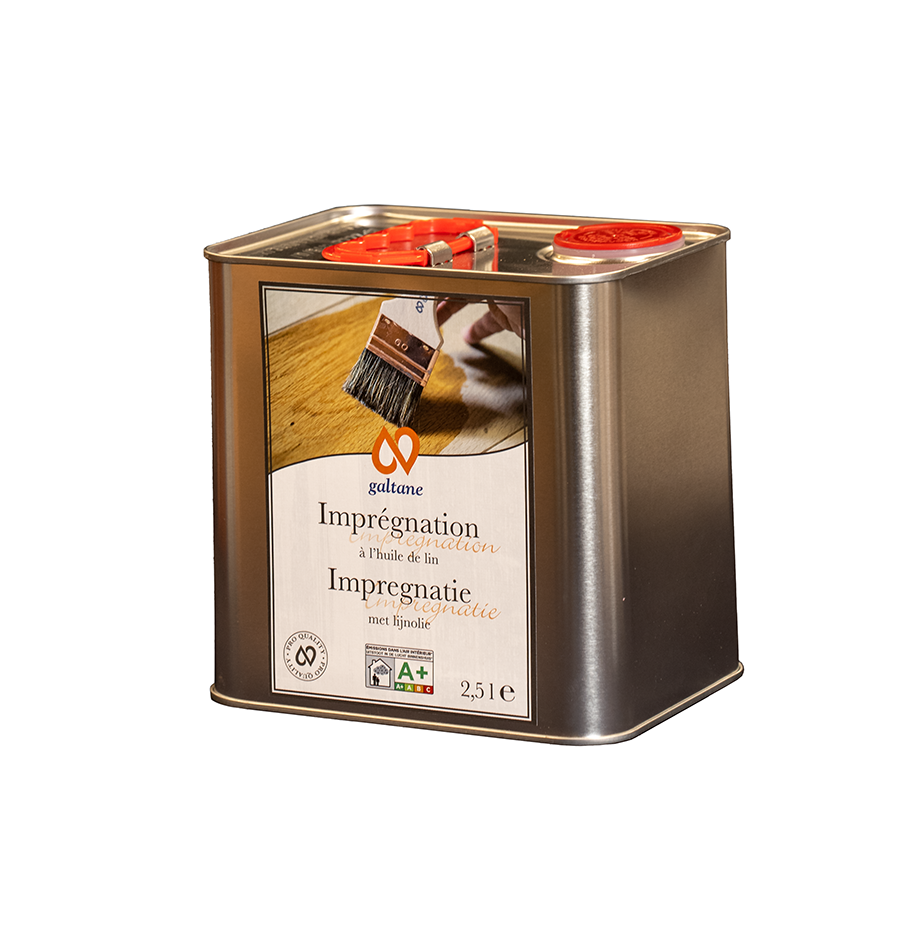 30,79 € – 267,20 €Price range: 30,79 € through 267,20 €Select options This product has multiple variants. The options may be chosen on the product page
-
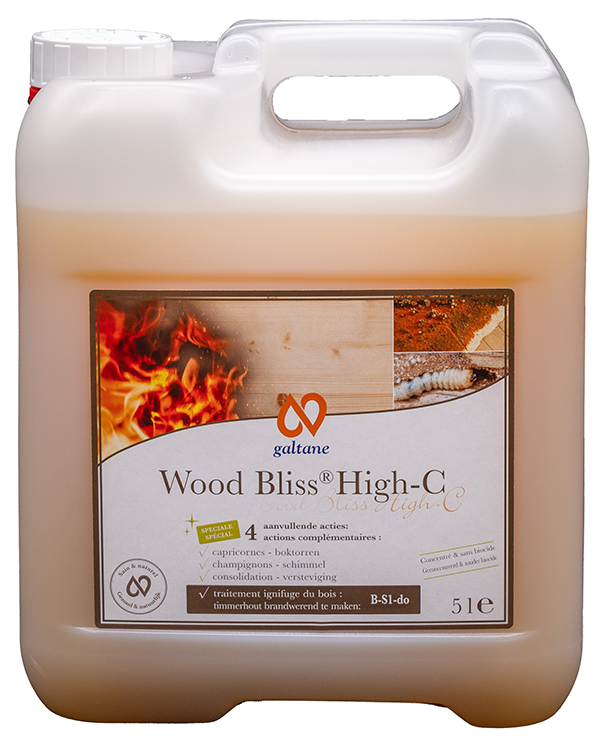
 33,30 € – 241,10 €Price range: 33,30 € through 241,10 €Select options This product has multiple variants. The options may be chosen on the product page
-
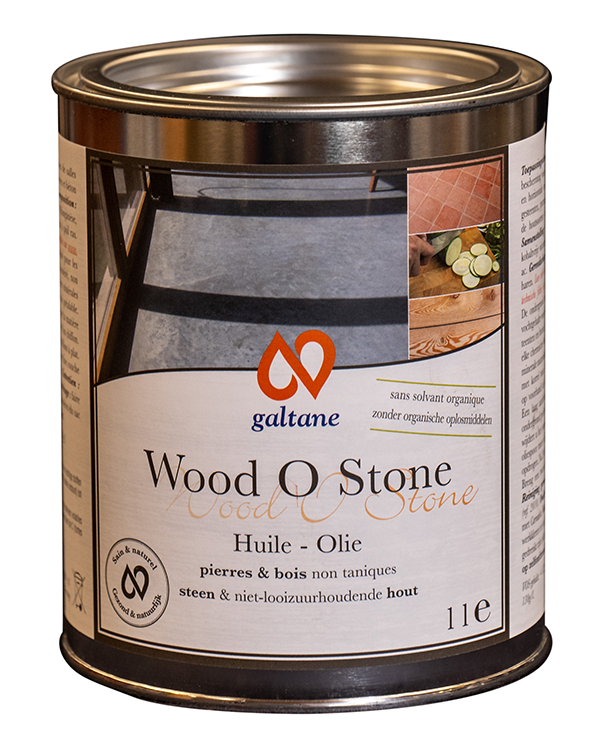
 13,30 € – 205,91 €Price range: 13,30 € through 205,91 €Select options This product has multiple variants. The options may be chosen on the product page
-
 34,90 € – 80,20 €Price range: 34,90 € through 80,20 €Select options This product has multiple variants. The options may be chosen on the product page
-
 13,50 € – 254,90 €Price range: 13,50 € through 254,90 €Select options This product has multiple variants. The options may be chosen on the product page
Learn More
What is CLT construction?
Cross-laminated timber (CLT)—or CLT elements—refers to solid wood components made up of layers of boards glued together in a crisscross pattern, which are often used as load-bearing structures in the walls, floors, and roofs of single- and multi-story buildings. They offer high strength relative to their weight, but CLT elements are also sensitive to moisture, a factor that must be taken into account as early as the design phase.
Why do CLT panels need to be treated?
Construction using CLT panels is becoming more and more popular, the panels made of CLT are sensitive to moisture. The treatment of CLT panels (cross-laminated timber) for interior use is primarily necessary to protect the material from moisture during the construction phase, ensure its dimensional stability, prevent any damage and achieve the desired aesthetic appearance.
CLT is a material that is hygroscopic and permeable to vapor diffusion, which means a7> means that it absorbs and releases some moisture depending on its environment.
What kinds of damage can be caused to the panels made of CLT?
Damage to CLT components can result, in particular, in significant mold and rot growth, as well as the formation of cracks that cause leaks in the air and vapor barrier. For both types of components, this damage leads to a deterioration of the indoor climate and has been observed—particularly as a result of improper handling of CLT components—in vulnerable wet rooms and unsecured installations.
What should the moisture content of a CLT panel be?
CLT components are generally shipped from the factory with a moisture content of 12 percent—plus or minus two percent. This level is significantly higher than the moisture content under winter conditions, when the wood’s moisture content is expected to be around 8 percent in equilibrium with the indoor climate. It is this difference in moisture content that causes drying and, consequently, shrinkage. A slight presence of shrinkage cracks on the surface of CLT panels is generally to be expected.
Since CLT elements are sensitive to moisture, it is recommended to follow the precautions applicable to traditional wood construction. The project owner or their advisor must develop a plan for managing for moisture describing the handling of components from the factory through to completion of construction.
Here are the main reasons to treat CLT indoors:
Protection Against Moisture and Damage: CLT components are sensitive to moisture, particularly during transportation, storage, and assembly. Moisture can lead to the growth of mold and fungi, as well as dimensional changes in the wood. For this reason, a temporary protective coating (such as “wet guard”) is often applied to the surfaces to prevent water infiltration until the building is enclosed.
Preventing Shrinkage Cracks: When wood dries, it shrinks. If CLT panels are installed while they still have a high moisture content and then dry in a heated indoor environment, cracks may form. A surface treatment can help control this process.
Airtightness and stability: To ensure the building’s airtightness and prevent noise from cracks, it’s important to treat the joints correctly.
Aesthetics and finish: If the panels CLT are to be exposed (in residential architecture), they are often treated to preserve the appearance of the wood, protect against stains and ensure a uniform surface.
Vapor-permeable surface: It is recommended to use vapor-permeable finishes (such as paint or oil) so that the wood can continue to “breathe” and regulate the room’s humidity balance.
Consequences of a lack of treatment:
Si le CLT n’est pas suffisamment protégé, cela peut entraîner des réparations coûteuses, des taches d’humidité sur les surfaces intérieures et des problèmes structurels dus aux mouvements du bois.
What are the important points to consider when dealing with the processing of a panel made of CLT:
- Vapor permeability: Make sure that the product is permeable to vapor, especially if the CLT panel is part of a wall construction that is vapor-permeable.
- Indoor climate: Choose products with low VOC (volatile organic compound) emissions for a healthy indoor climate.
- Application: Follow the supplier’s instructions carefully and don’t hesitate to test a small, inconspicuous area first.
- For untreated interior surfaces where there is no risk of exposure to moisture, treatment is not technically necessary, but it is recommended to make cleaning easier.