
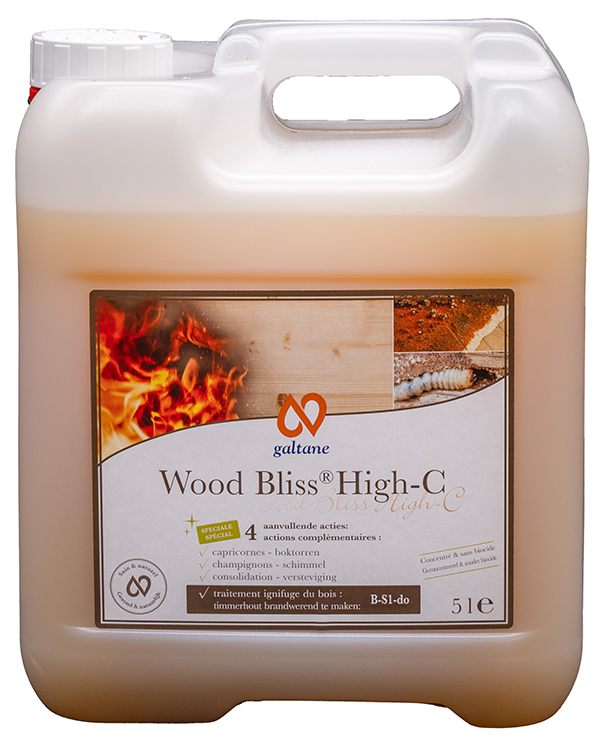
Wood Bliss ® High-C – 4055
Health and Environmental Benefits
- Wood Bliss®High-C is a natural treatment, non-toxic for attacked wood. It contains no questionable toxicological components (as confirmed by the Zörner engineering office and the Lafu laboratory: chemical and microbiological analysis working for independent and neutral companies).
- Galtane’s Wood Bliss®High-C ensures a high level of protection for human and animal health as well as the environment (see composition of Wood Bliss®High-C). With Wood Bliss®High-C, Galtane participates in fighting against the destruction of ecosystems. With over 35 years of development, we believe that a healthy ecosystem serves the link between humans and the economy. We fight against the destruction of animal and plant species. To create healthy atmospheres in buildings, nature works with us and we work with it. We support regenerative economic models.
Détails complémentaires
Good to know
Due to its high alkalinity, a more or less significant change in shade is observed (oak, chestnut…). Do preliminary tests! For a colorless treatment (floors, furniture, frames…), see HM16® ref. 4010. Wear gloves and protect your eyes. Protect metal surfaces, glass (windows, glasses… irreversible stains), natural stones, aluminum, lacquered surfaces, floors… In case of splashes, rinse immediately and thoroughly with water.Which product to choose between HM16®, Wood Bliss®, and Wood Bliss® High-C?
The question to ask is: “is it important to keep the wood’s shade?” If yes, then opt for HM16®. HM16® is a preventive and curative solution limited to woodworms. Woodworms are wood-boring insects that make flight holes of +/- 1mm in diameter. These are often the wood-borers you will find in furniture and floors. HM16® will not change the color of the wood. If no, then opt for Wood Bliss®. Wood Bliss® has a complete spectrum of action. In case of recurrence or action against house longhorn beetles, finish by injecting Wood Bliss® High-C into the wood. For dry rot, finish the treatment with Wood Bliss® High-C by brushing. This includes new joists placed in masonry. Special care should be given to end grain: the cuts.Properties
Wood-boring insects find the nutrients they need to live in wood by breaking down cellulose, lignin, or starch. At this stage, the insect is just a wood-boring larva. This larva will live in the wood for 1 to 5 years, or even up to 10 years. It then metamorphoses into an adult insect, exits the wood through a flight hole, and no longer feeds, but reproduces by laying eggs (40 to 100) in the cracks of the wood. The adult insect only lives for about 20 days.
Insects found in timber mostly belong to the order of beetles (powderpost beetles, house longhorn beetles) or isoptera (termites). In wood, the house longhorn beetle (Hylotrupes bajulus) forms exit holes of +/- 0.5 cm, while the powderpost beetle forms exit holes of 1 to 2 mm.
Wood attacked by Serpula lacrymans, commonly known as wood-destroying fungus or dry rot, is a danger for significant structural degradation. This fungus is one of the most destructive when it comes to wood decomposition in buildings. Dry rot, a wood fungus, feeds on water, minerals, and organic matter like wood. On damp wood, dry rot (Serpula lacrymans) will enter and acidify it. Through enzymatic action, the dry rot will decompose the wood and feed on it.
Up to the depth of penetration, Wood Bliss® High-C removes the nutrients sought by harmful insects from the wood. Simultaneously, it makes the wood unidentifiable to them so that after treatment, insects can no longer recognize the wood as a food source. Through a physical process of wood mineralization, Wood Bliss® “high-C” offers the wood long-lasting protection against harmful parasites. There is no harmful action on living organisms.
Contains no biocides or fungicides.
The combination of Wood Bliss® and Wood Bliss® High-C fireproofs construction wood according to the EN 13501 standard.
Good to Know
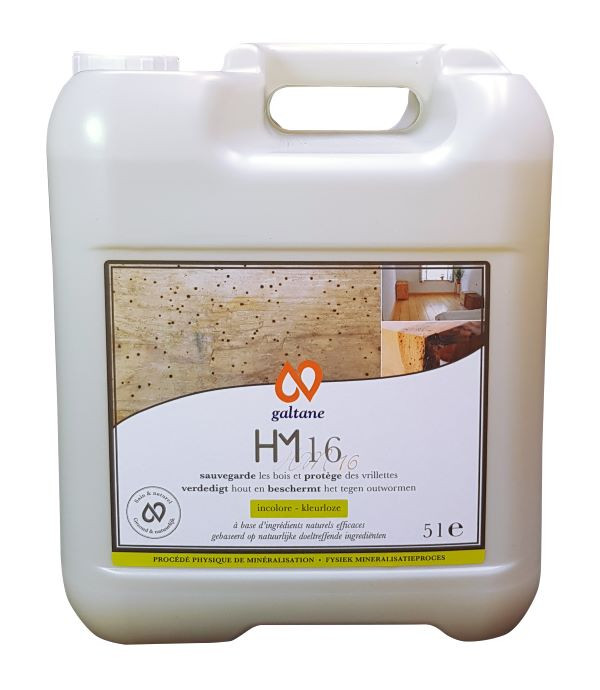
- For a colorless treatment (hardwood floors, furniture, frames, etc.), see Galtane’s HM16 ref. 4010
- The brands: Wood Bliss®, Wood Bliss® High-C, and HM16® are registered trademarks of Actina – Galtane. All texts for Galtane products are subject to current copyright and intellectual property laws. All texts, illustrations, and other content are the property of Actina srl and are protected by reproduction rights.
Caractéristiques techniques
| Rendement | 10 m²/L |
|---|---|
| Couches | 1 |
| Temps de séchage | 24h |
| Emballage | Recycled Plastic |
| Support | Porous Wood |
| Conditionnement | 1 L, 5 L, 500 ml |
Technical Data Sheets
Safety Data Sheets
Surface Preparation
As soon as you take possession of the product, we consider that you have the necessary skills to apply said product.
Depending on the variety of surfaces before application, you are invited to check the suitability of the product for the intended use.
Wood pieces (planed or not) must be sound: absorbent, clean, dry, non-greasy, and dust-free; remove all bark, crumbly and worm-eaten parts, water-repellent substances, and sawdust that will oppose the penetration of Wood Bliss High-C®.
Wear gloves and protect your eyes. Protect metal surfaces, glass (windows, glasses…), natural stones, aluminum, lacquered surfaces, floors… In case of splashes, rinse immediately and thoroughly with water. Risk of irreversible stains. There is nevertheless a way to eliminate these traces on glass by cleaning it with a wet sponge and clay stone. Repeat the operation if necessary.
Maintenance Tips
Maintenance required: is the protection permanent?
- Unlike chemical or autoclave treatments that can fade over time, mineralization with Wood Bliss® and Wood Bliss® High-C structurally modifies the wood by depositing solid minerals. This transformation is durable and does not require regular reapplication.
- Once correctly applied, the treatment can protect wood for several decades >50 years, or even the entire lifespan of the structure.
- Mineralized wood does not require specific maintenance to maintain its protection.
- In case of wear (e.g., cracks, dents in the wood, mechanical erosion, prolonged exposure to aggressive agents), a check and supplementary superficial application may be considered.
Une question ?
Related products
-
 11,80 € – 246,90 €Price range: 11,80 € through 246,90 €Select options This product has multiple variants. The options may be chosen on the product page
 -
 33,30 € – 241,10 €Price range: 33,30 € through 241,10 €Select options This product has multiple variants. The options may be chosen on the product page
 -
 46,60 € – 113,59 €Price range: 46,60 € through 113,59 €Select options This product has multiple variants. The options may be chosen on the product page
 -
 13,30 € – 205,91 €Price range: 13,30 € through 205,91 €Select options This product has multiple variants. The options may be chosen on the product page
 -
 64,51 €
 -
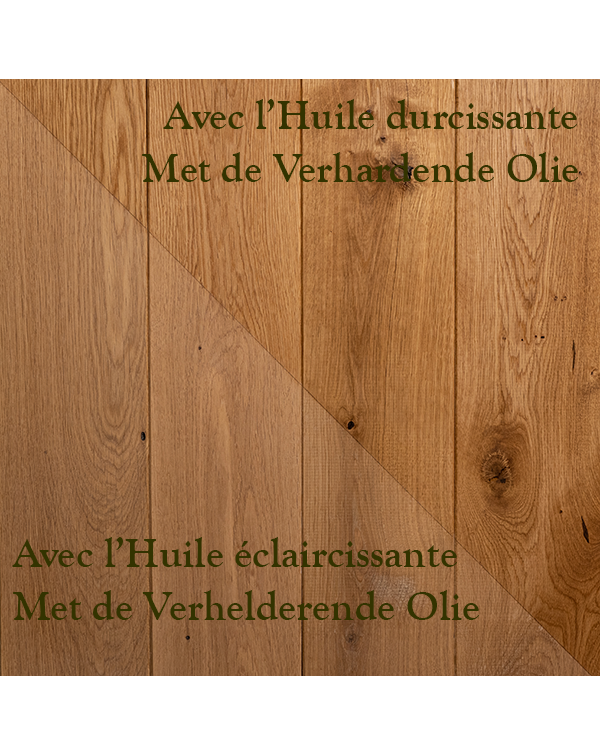 15,00 € – 278,00 €Price range: 15,00 € through 278,00 €Select options This product has multiple variants. The options may be chosen on the product page
 -
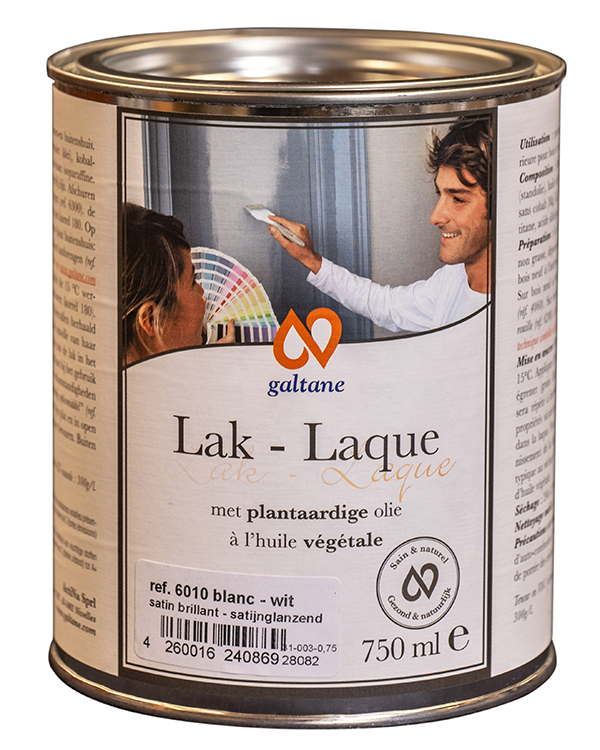
 46,60 € – 132,00 €Price range: 46,60 € through 132,00 €Select options This product has multiple variants. The options may be chosen on the product page
 -
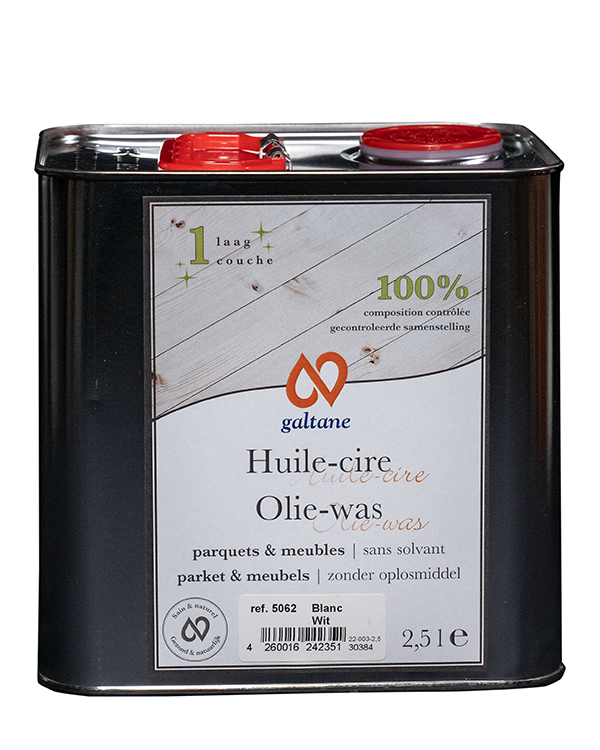
 25,00 € – 132,80 €Price range: 25,00 € through 132,80 €Select options This product has multiple variants. The options may be chosen on the product page
Learn More
Protect your wood from insects and fungi: essential treatments
Wood treatment and protection, answers to your questions:
When we think about preserving our wooden furniture and floors, the importance of treatment against wood-boring insects and wood-destroying fungi cannot be underestimated. These invisible enemies directly attack the structure and integrity of the wood, often causing irreparable damage. But why do these attacks occur and how can they be avoided? Here is everything you need to know to protect your wooden heritage.
Why is treating wood essential?
An insect or fungus infestation can have serious consequences for your structures:
- Rapid spread: A localized infestation can quickly spread to other parts of the wood, making the problem difficult to control.
- Heritage value: Wooden furniture, especially antiques, can lose much of their value if insects dig galleries in them. An infested frame can reduce the value of a real estate property due to the work needed for its restoration. Wood-boring insects leave visible traces like flight holes, cracks, or sawdust accumulations. These marks can alter the appearance of floors, furniture, and woodwork, making them less attractive.
- Avoiding health risks: Certain insects, like termites or woodworms, produce fine wood particles or sawdust that can be inhaled, causing irritation or allergies. Advanced infestations can also promote the appearance of wood-destroying fungi, creating a potentially harmful environment.
When should you treat?
- Act preventively: For new or sound wood, applying a preventive treatment against insects is an economical and effective solution.
- Act curatively: At the first signs of infestation: flight holes, sawdust, or wood that sounds hollow.
Main causes of infestations:
Wood-boring insects: why do they attack wood?
The presence of wood-boring insects in wood can be due to several factors. These insects, such as termites, old house borers (Hylotrupes bajulus), woodworms (Anobium punctatum), or powderpost beetles (Lyctus brunneus), feed on cellulose, a main component of wood. Here are the main reasons that favor their presence:
- High humidity: Damp wood is particularly attractive to wood-boring insects. High humidity, caused by water leaks, poor ventilation, or infiltration, makes the wood easier to dig and more nutritious.
- Untreated or old wood is more vulnerable. Untreated or poorly maintained wood is more vulnerable to insect attacks. Old or degraded wood often offers ideal conditions for insects to settle.
- Certain types of wood (like softwoods or low-density woods) are naturally more sensitive to infestations.
- Presence of cracks or galleries:
- Cracks, holes, or galleries already present in the wood allow insects to settle more easily.
- Lack of preventive treatment: Wood not protected by insecticide or fungicide treatments is much more likely to be attacked.
- Proximity to infested areas, such as wood piles or dead trees.
Wood-destroying fungi: why do they appear?
Wood-destroying fungi appear in wood when a set of favorable conditions is met. These fungi, such as dry rot, bracket fungi, or cellar fungi, feed mainly on the cellulose, lignin, and hemicellulose present in the wood. Their presence is often linked to excessive humidity problems (>20%) and low ventilation. Here are the main causes of their appearance:
- Wood-destroying fungi only develop in wood with a moisture content higher than 20%.
- Causes of humidity include:
- Water infiltration (damaged roofs, walls, or foundations).
- Condensation due to poor ventilation.
- Plumbing leaks.
- Capillarity (moisture rising from the ground into wooden structures).
Favorable temperature:
- Most wood-destroying fungi develop in temperatures between 68 and 86°F, which corresponds to the ambient temperature in many buildings.
Lack of ventilation:
- Poorly ventilated areas, like basements, cellars, or confined spaces, create ideal conditions for the appearance of fungi, as humid air stagnates there.
Untreated or already weakened wood:
- Unprotected or poorly maintained wood is more likely to be colonized by fungi.
- Wood exposed to infiltration or showing cracks are easy targets.
Why are these fungi problematic?
- Structural deterioration:
- They decompose wood fibers, leading to a loss of mechanical strength.
- Rapid spread:
- Certain fungi, like dry rot, can spread very quickly throughout a building, even through non-woody materials (e.g., masonry).
- Health problems:
- The spores of certain fungi can cause allergies, respiratory problems, or irritation.
Manufacturer’s tips for treatment and prevention solutions: Choosing naturally resistant wood
Certain woods possess natural properties that make them less sensitive to infestations:
- Tropical woods like teak or ipe: rich in natural oils and rot-resistant. You will understand why we avoid them…
- European woods like oak or chestnut: resistant thanks to their high tannin content.
- Treated wood (autoclave, heat-treated): a solution adapted for softwoods.
How to effectively treat wood attacked by wood-boring insects?
Accurate diagnosis: Identify the type of insect responsible (old house borer, woodworm, termite, etc.).
Preventive treatments:
- Dust the wood and, depending on the situation, strip and hew the wood
- Spraying or brushing accessible surfaces with Wood Bliss®
- Application of oils or saturators to protect the wood from moisture.
- Autoclave treatment: injection of chemicals for long-lasting protection.
Curative treatments:
- Dust the wood and, depending on the situation, strip and hew the wood.
- Injections of insecticides or fungicides into the wood galleries dug by larvae using syringes or a spray gun and a high-pressure pump. Indeed, a surface application does not penetrate more than 1 mm into the wood.
- Products: Wood Bliss®, Wood Bliss® High-C, HM16®
The use of biocides and insecticides poses a risk to human health and indoor spaces. They can have serious toxic effects on ecosystems by contaminating soil and water and threatening biodiversity.
- Fumigation to eradicate deep infestations.
- Heat treatment: an ecological solution that consists of heating the wood to eliminate parasites.
Brushing and spraying:
- Technique: Application of a Wood Bliss®, Wood Bliss® High-C, or HM16® product directly onto wood surfaces after cleaning.
- Usage: Accessible and lightly infested areas.
- Products: Wood Bliss®, Wood Bliss® High-C, HM16®
- Advantages: Odorless, VOC-free, biocide-free, simple and quick to apply.
How to effectively treat wood attacked by wood-destroying fungi?
- Reduce humidity: Ensure good ventilation, repair infiltrations, and monitor humidity.
- Spray the fungi with Wood Bliss®
- Remove infested parts: Remove contaminated wood to prevent spread.
- Treat the wood: Application of liquid solutions by spraying and brushing Wood Bliss® and Wood Bliss® High-C on contaminated areas.
- Products: Wood Bliss® and Wood Bliss® High-C for fungi like dry rot.
The use of biocides and insecticides poses a risk to human health and indoor spaces. They can have serious toxic effects on ecosystems by contaminating soil and water and threatening biodiversity.
- Inspect regularly: Monitor exposed or old wood, especially in cellars or frames.
- Call a professional: In case of dry rot or advanced infestation, expert treatment is often necessary.
- Combined treatments: Wood Bliss® and Wood Bliss® High-C
Ecological wood mineralization: a natural and sustainable innovation
How does wood treatment by mineralization with Wood Bliss® work?
Wood treatment by mineralization is an innovative ecological technique that consists of strengthening and protecting wood by giving it mineral properties. This method aims to improve durability, resistance to parasites and fungi, as well as wood stability, while reducing the need for chemicals and traditional biocides.
Here is how this natural and ecological process works:
Mineralization consists of impregnating the wood with mineral or silicate-based solutions. These substances crystallize in and with the wood fibers to create mineral deposits that modify the internal structure of the material. The treated wood becomes more resistant to moisture, insects, and fire.
- Its advantages include:
- A lifespan of >50 years.
- An ecological solution without harmful chemicals.
- Better dimensional stability of the wood.
Steps of the mineralization process
A. Wood preparation
- The wood is carefully prepared:
- Cleaning to remove any dirt or mold.
- If necessary, the wood can be sanded or previously treated against active infestations.
B. Impregnation with Wood Bliss® and Wood Bliss® High-C mineral solution
- The wood is dipped or injected with a mineral-based solution of Wood Bliss® and Wood Bliss® High-C:
- Immersion: The wood is dipped in tanks containing the solution to ensure uniform penetration.
- Injection: For thick or complex pieces, the solution is injected under pressure into the wood pores.
- Spraying: Method used for surface applications or thin wood.
Mineralization reaction
- Once the Wood Bliss® and Wood Bliss® High-C solution is applied, a mineralization reaction occurs between the minerals and the wood fibers.
- The minerals form solid deposits in the pores and around the fibers.
- This crystallization strengthens the wood by making it denser and more waterproof.
Drying and stabilization
- After drying, the wood is ready for use with improved properties.
Increased resistance
- Resistance to insects: Wood-boring insects are deterred by the mineralized texture, which is less nutritious for them.
- Resistance to fungi: Mineralization reduces the moisture available in the wood, making conditions unfavorable for wood-destroying fungi.
Fire-retardant properties
- Mineralized wood is less flammable because the mineral deposits slow down combustion.
Long-term durability
- The treated wood is protected against natural degradation, which extends its lifespan.
Advantages of mineralization treatment
- Ecological: The solution used is generally non-toxic, unlike traditional chemicals.
- Increased durability: this type of application is sufficient to protect the wood over long periods.
- Versatility: Applicable to different types of wood (softwoods and hardwoods).
- Improved natural resistance: Offers integrated protection against several factors (insects, fungi, moisture, fire).
Limits of mineralization treatment:
- Initial cost: This treatment can be more expensive than toxic chemical methods.
- Treatment time: The process can be longer due to the drying and stabilization steps.
- Aesthetic modification: Mineralization can slightly alter the natural appearance of the wood (change in shade).
Estimated lifespan:
- Permanent protection:
- Unlike chemical or autoclave treatments that can fade over time, mineralization with Wood Bliss® and Wood Bliss® High-C structurally modifies the wood by depositing solid minerals. This transformation is durable and does not require regular reapplication.
- Once correctly applied, the treatment can protect wood for several decades >50 years, or even the entire lifespan of the structure.
Maintenance required:
- Mineralized wood does not require specific maintenance to maintain its protection.
- In case of wear (for example, cracks, knocks in the wood, mechanical erosion, prolonged exposure to aggressive agents), a check and a complementary surface application can be considered.
Long-term advantages:
- Economical: No repeated treatment or frequent maintenance, which reduces costs in the long term.
- Ecological: this type of durable application minimizes the use of chemicals.
- Secure: Ensures reliable protection against biological and environmental aggressions.
Tips to maximize durability:
- Preventive treatment: Apply vegetable oils such as Galtane stains or Galtane oil lacquer to improve resistance.
- Regular maintenance: Inspect and maintain wood exposed to weather or moisture.
- Ventilation: Install wood in well-ventilated environments to avoid stagnant moisture.
- Insulation: Limit direct contact with the ground to reduce the risk of termite attacks or rot.
Conclusion
Treating and preserving wood is a necessity to guarantee the longevity and safety of your structures. Whether through natural preventive treatments or innovative ecological curative treatments like mineralization, each solution offers adapted protection. By choosing ecological and sustainable techniques, you preserve not only your heritage and your health but also the environment.
The brands: Wood Bliss®, Wood Bliss® High-C, and HM16® are registered trademarks of the company Actina – Galtane.
How to Apply
Shake the product before and during use. Apply at 12h intervals with a brush or roller, if necessary by spray injection (pressure 50 to 60 bar). Do not apply below 41°F. Do not glue treated wood pieces together. Impregnate all wood surfaces, including cuts (no planing after treatment).