



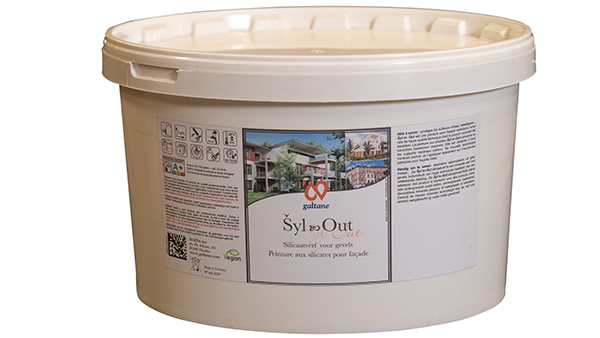


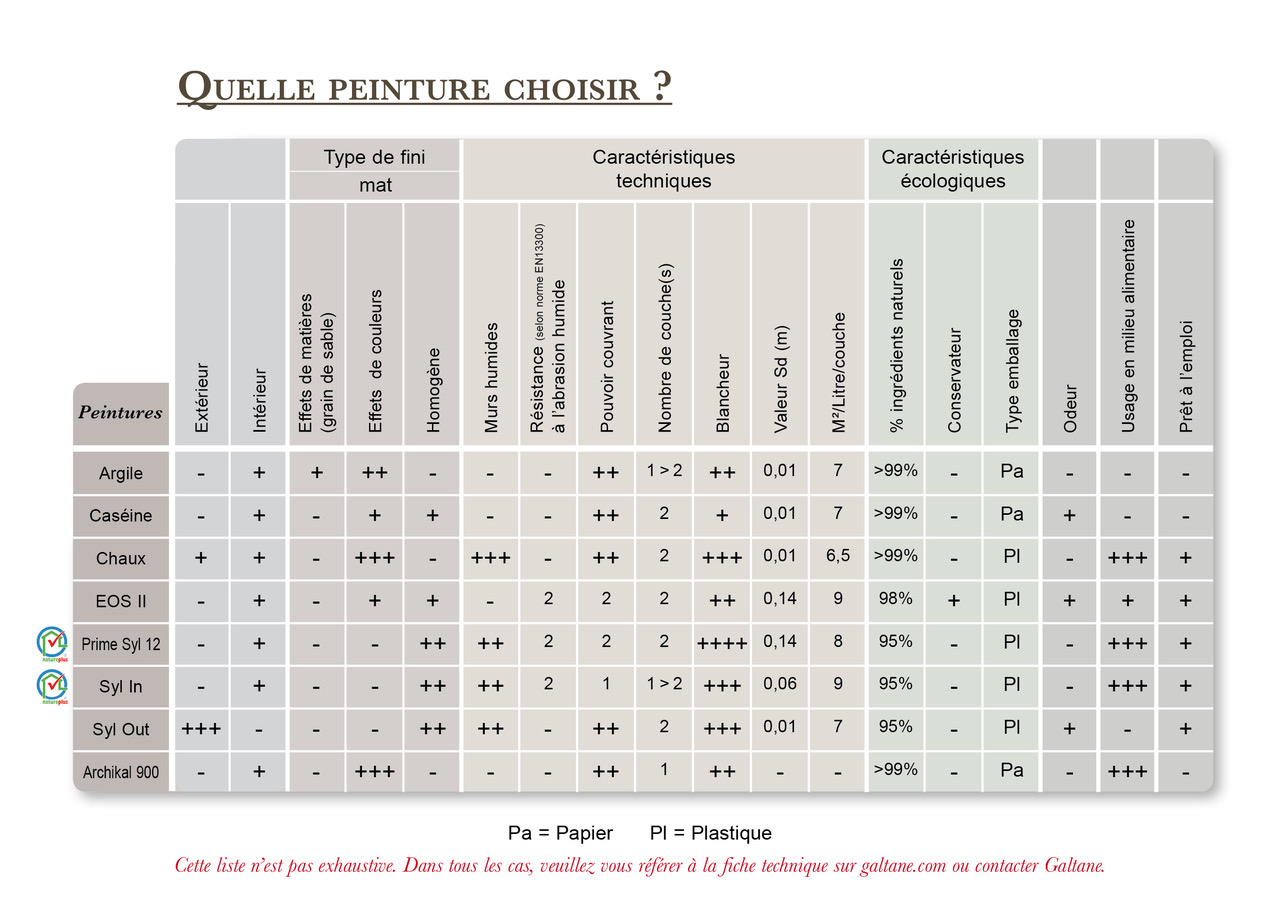
Šyl Out – Silicate facade paint
Additional details
Good to know:
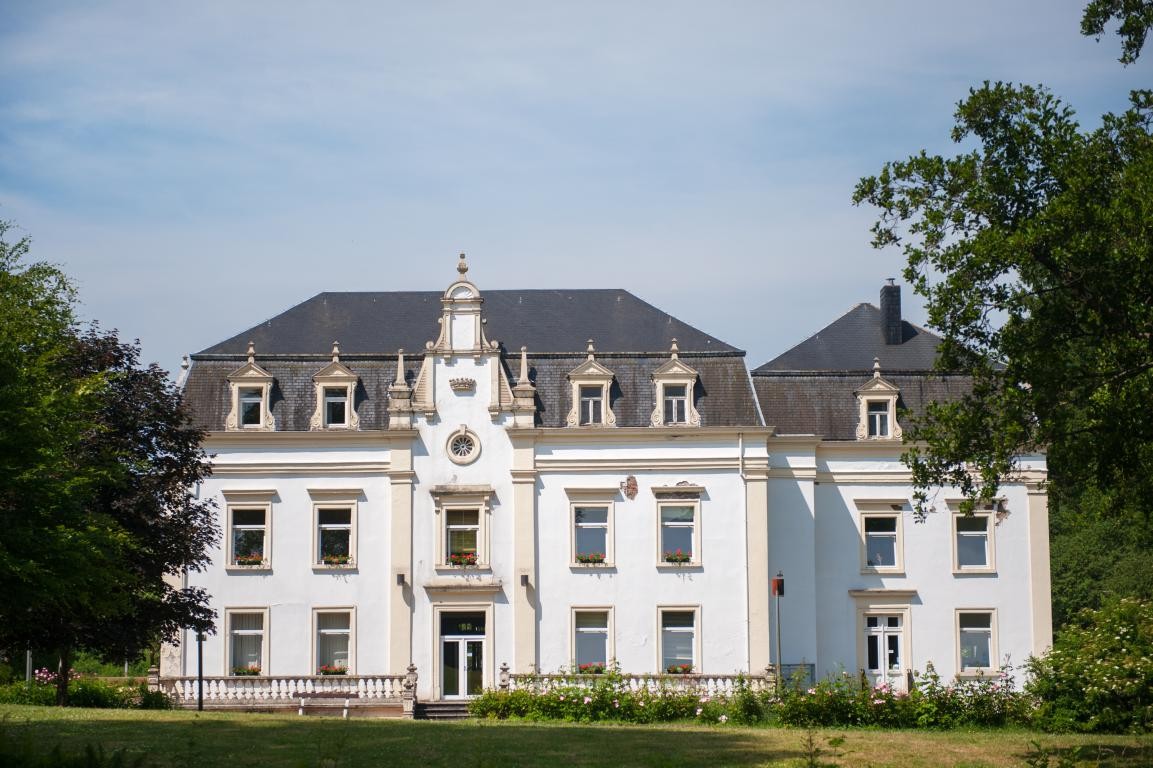
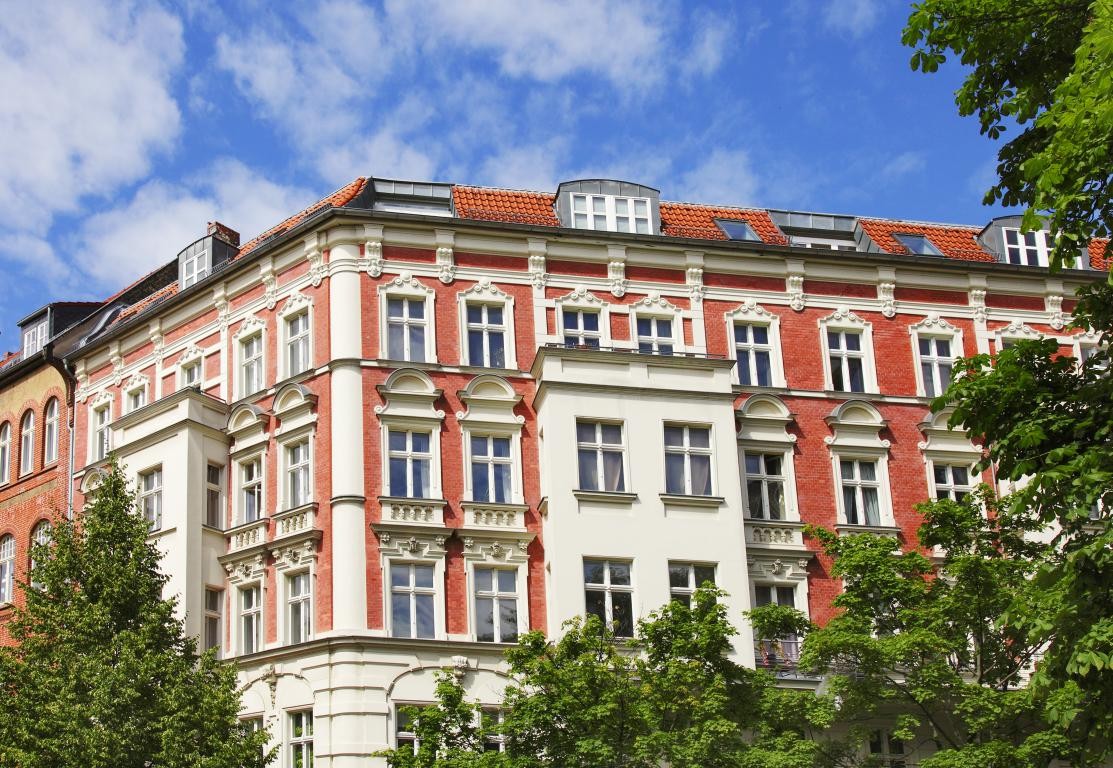
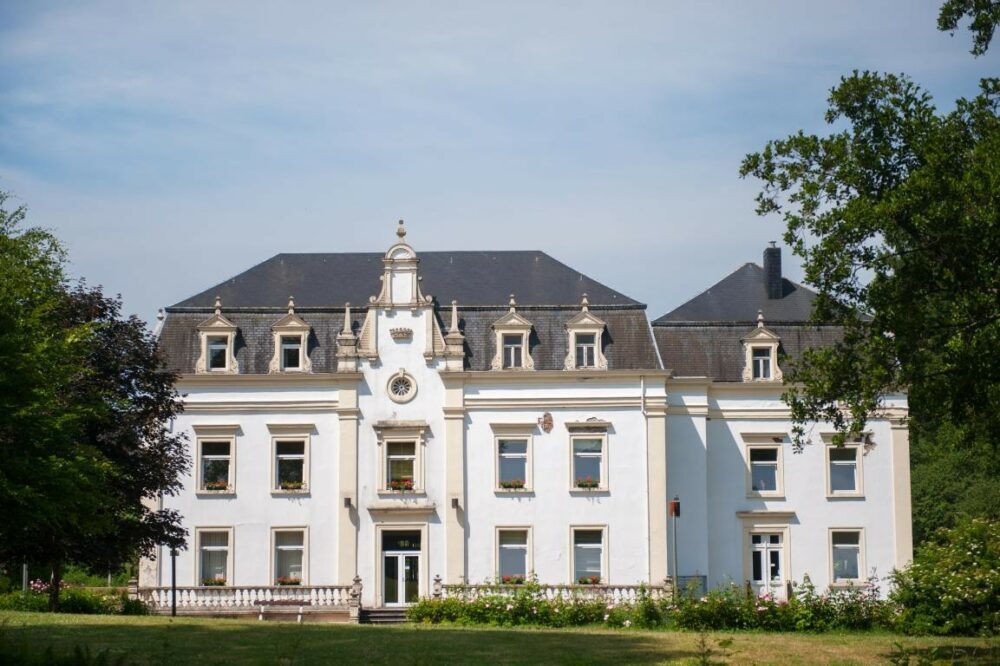
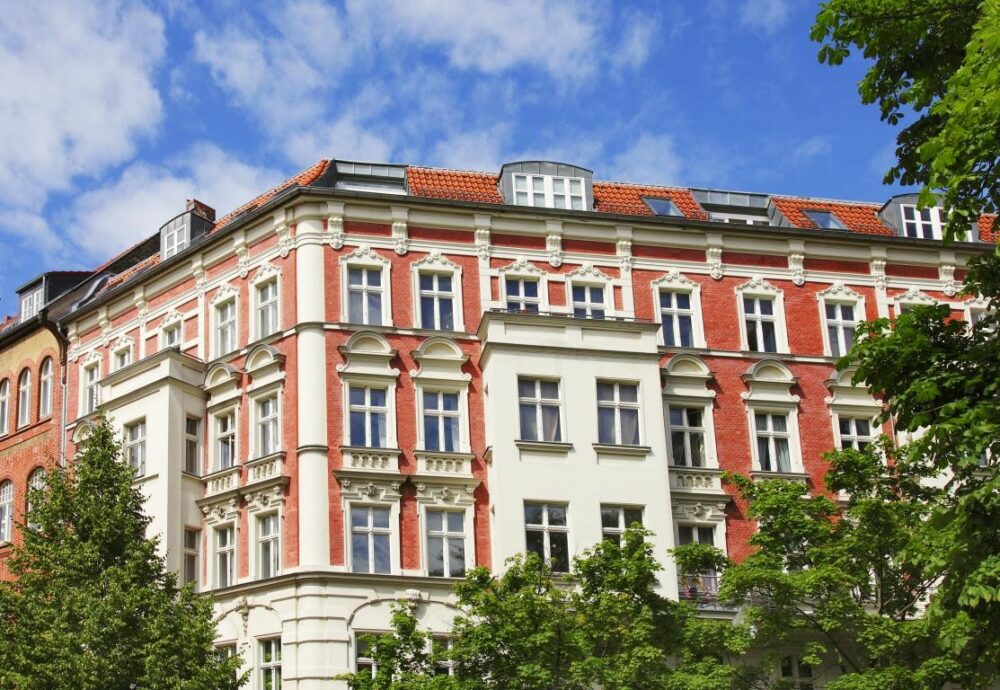
It is intended for all porous mineral substrates such as concrete, cement plasters, lime-cement, decorative minerals, or limestone masonry. Its new mineral technology also allows it to be applied over old matte and non-elastic facade paints. Silicate paint is ideal for historic buildings.Tools
- 7” Roller
- Brush
- Spray gun
- All-purpose cleaner
Technical specifications
| Coverage | 7 m²/l |
|---|---|
| Coats | 2 |
| Drying time | 12h at 68°F / 60% Relative humidity |
| SD value | 0.01m |
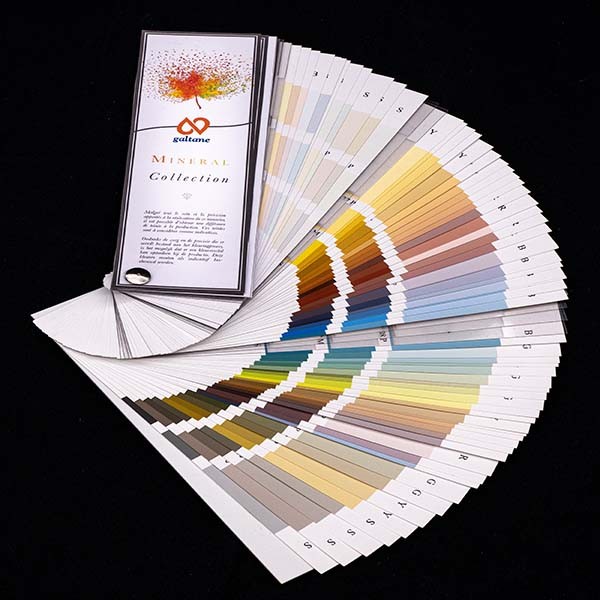
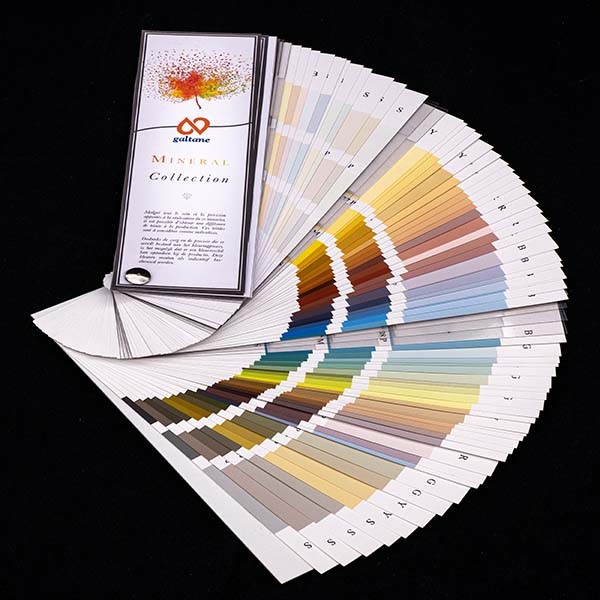
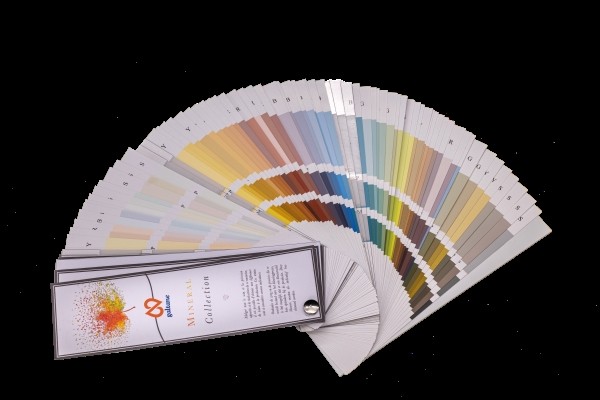
| Colours | Blanc, Coloré – précisez votre couleur Galtane |
| Pack size | 1 L, 5 L, 2.64 gal |
Technical Data Sheets
Safety Data Sheets
Any questions?
Related products
-
 145,08 €
-
 20,19 € – 155,70 €Price range: 20,19 € through 155,70 €Select options This product has multiple variants. The options may be chosen on the product page
Learn More
The silicate paint is also ideal for historic buildings. In the 19th century, the silicatization process consisted of applying water glass to the facades of ashlar stone, brick, and other buildings to harden the surfaces and extend their longevity. Potassium silicates, sodium silicates, or water glass were used at the time. A Bavarian chemist, Dr. Füchs, first used this process in 1824. Füchs even made it the basis for a new monument paint called “stereochromy.” However, silicates were likely already known since Antiquity. In 1640, J.B. Van Helmont mentioned potassium silicate, and Glauber called it “liquor of flints” in 1648. Silicate results from the combination of silicic acid and a base, sodium-potassium. Silicon oxide is very abundant in nature: it forms the basis of all types of sand, quartz, flint, and precious stones. Silica comes from fine river sands. The principle of silicatization creates a very resistant bond and is the result of a fusion between a mineral substrate and a silicate paint. Silicate paints were formerly reserved exclusively for mineral substrates. However, the development of these mineral materials now allows them to be applied to organic substrates (old paints) thanks to the double mineral binder (sol-silicate) technique. In this case, the bond is both physical and chemical. Silicate paints are valued for their unmatched durability over time.